The Essential Vehicle Maintenance Log: Your Guide to Consistent Car Care
For many, the vehicle maintenance log book is a tool of passive regret. It sits in the glove compartment, forgotten until the moment of crisis: a mysterious noise, a sudden drop in fuel efficiency, or a failed inspection. Suddenly, the frantic search begins for that crumpled receipt from six months ago—the proof of an oil change that could validate warranty claims or diagnose a recurring problem. This common scenario underscores a fundamental misunderstanding: a log is not just a record; it is a proactive system for preserving value, safety, and peace of mind.
A true vehicle maintenance log with its keyword is more than a notebook. It is a structured method to track every service, repair, and expense, linking each entry to critical data like date, mileage, cost, and service provider. This creates a coherent history, transforming random acts of upkeep into a strategic maintenance plan. The keyword here is system. Without it, you are merely jotting down notes, which leads to the first major mistake many make.
Overlooking the Power of a Structured Format
The most common error is using a random notepad or digital notes app with no fixed format. You might write "changed oil" on a sticky note, but did you record the brand and viscosity? The exact mileage? The name of the mechanic? Months later, when troubleshooting an engine issue, this incomplete data is worthless. A scattered approach affects your ability to accurately predict future service intervals, negotiate with buyers when selling your car, or even dispute incorrect work.
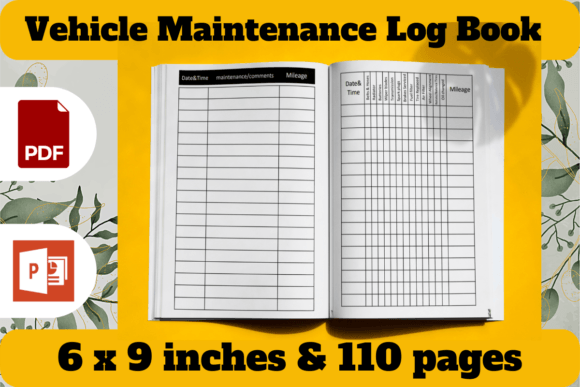
The better approach is to commit to a pre-defined structure. This is precisely where a dedicated vehicle maintenance log book shines. For instance, a quality log includes consistent fields for each entry: Date, Service Performed, Mileage, Cost, Parts Used/Notes, and Next Recommended Service. This forces completeness. Imagine comparing two entries: a scribbled "brake check" versus a detailed log stating "12/05/2024 – 45,320 miles – Full brake inspection, pads replaced (Brand XYZ), fluid topped – Cost: $280 – Next check recommended at 50,000 miles." The latter empowers you with actionable history.
The Pitfall of Inconsistent Recording
Even with a good log, inconsistency ruins its utility. Many start enthusiastically but then skip "minor" services like tire rotations or filter changes. This creates gaps in the timeline, making trend analysis impossible. You cannot spot that your fuel efficiency began dropping precisely 1,000 miles after a particular service if that service wasn't logged. The effect is a fragmented history that offers no diagnostic insight.
Practical advice? Treat every service, no matter how small, as worthy of an entry. Set a simple rule: anything that costs money or affects vehicle performance gets logged. This habit transforms your log into a true financial and mechanical diary. Use reminders—perhaps a note in your log book itself after each entry to check the next scheduled service—to build the rhythm of consistent use.
Choosing the Wrong Log: Digital vs. Physical and the Size Dilemma
A significant decision point is the medium. Digital apps offer convenience but often lack customization or become dependent on a specific platform that might vanish. Physical books are tangible, always accessible, and require no battery, but can be lost or damaged. The mistake is choosing one without considering your personal habits. A tech-savvy user who always forgets physical items might benefit more from a robust app, while someone who prefers hands-on management should opt for a book.
However, for a physical vehicle maintenance log book, specifications matter immensely. A poorly designed book with cramped pages or insufficient columns leads to messy, crowded entries. Consider the product dimensions. A 6x9 inch book, for example, offers a generous writing area without being cumbersome in a glove box. With 110 pages, it provides ample space for years of records for a single vehicle. Before buying, check the internal layout. Are the columns logical? Is there space for notes? Does it include reference sections for common service intervals or tire pressure specs? These details drastically affect usability.
Moreover, the included assets in a product bundle are critical for adaptability. Having a PDF ready for upload and a PowerPoint file for editing means you are not locked into a single format. You can print copies for multiple vehicles or customize pages before printing to suit a specific truck or motorcycle's needs. This flexibility is often overlooked. Evaluate if the log product offers these editable source files; it is a mark of a versatile tool designed for long-term, adaptable use.
Ignoring the "Keyword" in Your Own Records
This brings us to a nuanced aspect of the vehicle maintenance log with its keyword. The "keyword" isn't just a marketing term; it's a principle for your entries. Each service has key identifying details—the specific part number, the mechanic's license number, the warranty code for a repair. These are the keywords of your maintenance history. Failing to record them is like indexing a book without page numbers.
For example, logging "replaced battery" is weak. The better entry includes the battery model (e.g., Duralast Gold 48DLG), its CCA rating, and the warranty period. This precise information is invaluable if the battery fails prematurely. Your log then becomes not just a diary but a legal and technical reference document. Always ask for and record these specifics from your service provider.
The Financial Blind Spot: Not Tracking Total Cost of Ownership
A vehicle maintenance log book is also a potent financial tool, yet most people use it only to track single expenses. The mistake is viewing each cost as isolated, never aggregating them to see the true annual or per-mile cost of operating your vehicle. This oversight can lead to poor budgetary decisions and surprise financial strain.
The corrective action is simple: designate a section or a periodic summary page in your log to tally expenses. Every six months, total your logged maintenance and repair costs. Divide by the miles driven during that period. This gives you a concrete cost-per-mile figure, a crucial data point for evaluating whether a vehicle is becoming too expensive to maintain compared to its value. This practice turns your log from a reactive record into a proactive financial management dashboard.
Before committing to any log system—digital or physical—ask yourself: Does it facilitate this kind of analysis? Can I easily sum costs? Does it have space for quarterly or annual summaries? If not, you might be choosing a tool that limits your insight.
Forgetting the Log's Role in Resale and Communication
Finally, one of the most overlooked benefits is communication. A meticulously kept vehicle maintenance log with its keyword is a powerful communication tool with mechanics, insurance agents, and future buyers. Showing a mechanic a complete history can lead to faster, more accurate diagnostics. Presenting a log to a potential buyer builds immense trust and can directly increase the sale price. The mistake is keeping the log purely private, never leveraging it in conversations where it provides authoritative proof.
Make your log presentable. Use clear handwriting or a clean digital printout. Organize it chronologically. This small effort in presentation pays enormous dividends in credibility and satisfaction during negotiations or service appointments. It demonstrates that you are an informed, conscientious owner, which often translates into better treatment and better outcomes.
In essence, selecting and using a vehicle maintenance log book is about choosing a system, not a product. It requires a shift from casual recording to strategic documentation. By avoiding the pitfalls of inconsistency, poor format choice, incomplete data entry, and financial blindness, you transform a simple notebook into one of the most valuable accessories you own for your vehicle. Start with the right tool—one designed with thoughtful dimensions, ample pages, and editable files—but more importantly, start with the commitment to use it as the definitive keyword-rich history of your car's life.