Mastering Your Finances: The Essential Income and Expense Log
Financial clarity is often elusive. Between daily transactions, monthly bills, and seasonal expenses, it's easy for money to feel like a mysterious force moving in and out of our lives. The antidote to this confusion is remarkably simple: a dedicated income and expense log. This foundational tool transforms financial chaos into organized, actionable data. By committing to tracking, you embark on a journey not just of recording numbers, but of understanding your financial story, its patterns, and its potential.
The concept is straightforward—documenting what you earn and what you spend. Yet, its impact is profound. An income and expense log serves as the bedrock of personal finance, small business management, and even household budgeting. It moves you from guesswork to precision, from anxiety to control. In a world where digital transactions happen in seconds, having a tangible or digital record creates a necessary pause, a moment of reflection that empowers smarter financial decisions.
The Purpose and Power of Logging Every Dollar
Why does such a simple practice hold so much significance? The primary purpose of an expense and income tracker is to establish awareness. Without a log, spending is often reactive and emotional; income is seen as a lump sum that simply "appears." Logging creates accountability. Every entry is a conscious acknowledgment of a financial choice, whether it's a $5 coffee or a $500 freelance payment. This awareness is the first, and most critical, step toward financial health.
Beyond awareness, an income and expense log provides the raw data needed for analysis. It answers fundamental questions: Are you living within your means? Where are your financial leaks? Is your income growing? This data is essential for setting realistic budgets, planning for savings, and identifying opportunities to cut costs or increase revenue. For small business owners or freelancers, this log often doubles as a crucial document for tax preparation, providing clear evidence of deductible business expenses and taxable income.
The Anatomy of a Practical Income and Expense Log
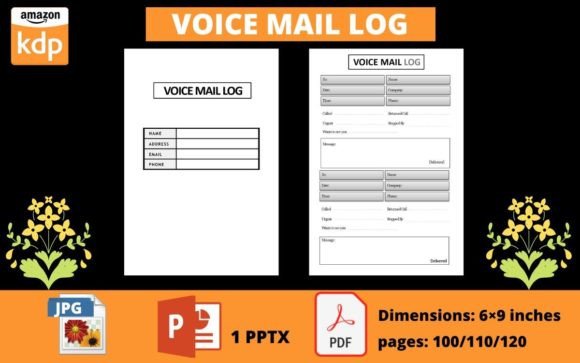
A well-designed log goes beyond a simple list. Think of it as a structured framework tailored to capture the full picture of your cash flow. At its core, it should have clear sections for income and expenses, but the interior design—the layout and categories—determines its usefulness.
Common, effective categories for the income log interior include:
- Date: The transaction date.
- Source: Where the money came from (e.g., Employer, Client A, Investment Dividend).
- Amount: The net income received.
- Payment Method: How it was received (Cash, Direct Deposit, PayPal).
- Notes: Any relevant context (e.g., "Final payment for Project X").
For the expense log interior, categorization is key to analysis. Instead of one long list, expenses should be grouped:
- Fixed Essentials: Rent/Mortgage, car payment, insurance.
- Variable Essentials: Groceries, utilities, fuel.
- Discretionary: Dining out, entertainment, hobbies.
- Business/Investment: Software subscriptions, marketing costs, education.
From Paper to Digital: Modern Logging in Daily Life
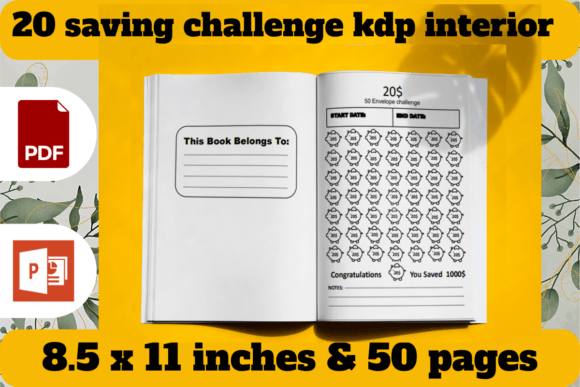
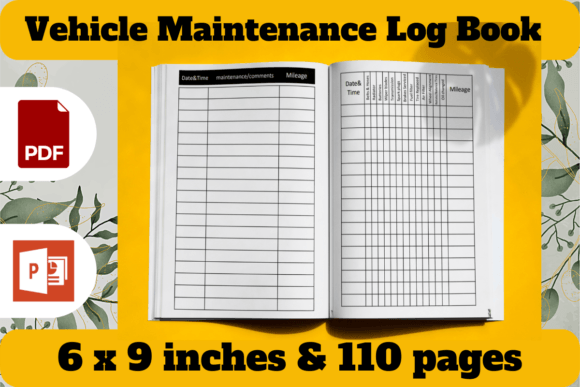
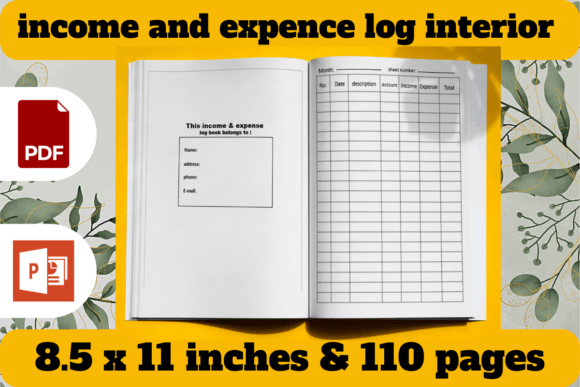
The traditional image of a financial log is a ledger book, and for many, this tangible format remains powerful. The act of writing can reinforce commitment and mindfulness. A physical log, like one designed with 8.5 x 11 inches pages, provides ample space for clear entries and becomes a permanent archive. With 110 product pages, it offers a year-long tracking solution without the need for printing or assembling.
However, the modern life integrates technology seamlessly. Many now use apps or spreadsheet templates. The principle remains identical: consistent input leads to clear output. The choice between paper and digital often depends on personal preference. Some find smartphone apps convenient for immediate logging after a purchase; others prefer the deliberate, unplugged ritual of updating a paper log at the end of the day, which can reduce screen time and enhance focus.
For those who value flexibility, having both a ready-to-use format and an editable template is ideal. This is where a comprehensive product offering shines: a PDF file ready to upload to platforms like Amazon KDP for instant use, coupled with a PowerPoint file to edit allows for personalization. You can adjust category names, add specific expense lines relevant to your hobby or business, or change the layout to suit your logging rhythm.
Unlocking Niche Success: The Role of Profitable Keywords
For creators and entrepreneurs publishing financial tools, understanding the audience's search behavior is crucial. This is where a profitable keywords sheet becomes an invaluable asset. It's not about stuffing text with terms; it's about understanding the language your potential users use when seeking solutions.
Keywords related to an income and expense log might include practical phrases like "monthly budget tracker," "cash flow logbook," or "small business expense sheet." For the interior design, terms like "financial ledger template," "customizable expense categories," or "income tracking spreadsheet" reflect specific user needs. Using these keywords naturally within product descriptions and related articles helps connect your solution with someone actively searching for a way to "track side hustle income" or "organize household bills." This alignment is a core part of creating helpful, findable content in today's digital marketplace.
Common Misunderstandings and How to Avoid Them
A major assumption about financial logging is that it's only for people in debt or with complex finances. This is a misconception. An income and expense log is beneficial for everyone—from a student managing a part-time job to a retiree monitoring pension and investment income. It's a tool for clarity, not a symbol of trouble.
Another common pitfall is inconsistency. Many start enthusiastically, logging every detail for a week, then abandon it when life gets busy. The key is to establish a sustainable ritual, not a perfectionist chore. Perhaps you log expenses every evening and income as it arrives. Or you do a weekly summary on Sunday. The format should support your habit, not hinder it. A log with a simple, intuitive income log interior layout reduces friction and encourages consistency.
Finally, some believe logging is purely about restriction. In reality, it's about empowerment. Seeing your data might reveal you spend very little on self-care, prompting you to allocate more for hobbies that improve your well-being. It might show a steady freelance income stream, encouraging you to invest in a related course to grow it further. The log informs choices, opening avenues for both prudent saving and intentional spending.
Building a Broader Financial Understanding
An income and expense log is not an end point; it's a starting point. The data it provides feeds into higher-level financial activities. With a full year's log, you can:
- Create an Accurate Budget: Use your real historical spending, not guesses, to set monthly limits.
- Forecast Future Cash Flow: Anticipate tight months and surplus months based on patterns.
- Plan for Taxes: Have a clear record of business expenses and deductible items.
- Set Savings Goals: Identify how much you can realistically redirect to savings or debt repayment.
- Evaluate Financial Goals: Measure progress towards goals like reducing dining out costs by 20%.
This progression turns raw data into a strategic financial plan. The log becomes the evidence upon which you build a more secure and purposeful financial life.
The Lasting Relevance of a Simple Practice
In an age of automated banking and AI-powered financial apps, the human-centric practice of logging retains its vital role. It engages you directly with your money, fostering a mindset of stewardship. Whether you use a beautifully designed physical book with product dimensions that fit neatly on your desk or a digital template synced across devices, the outcome is the same: mastery through knowledge.
Starting an income and expense log is a commitment to yourself—to understand your economic reality, to make informed choices, and to build a future aligned with your values and goals. It demystifies finance, making it a tangible, manageable part of daily life. So, take that first step. Grab a notebook, open a spreadsheet, or print a template. Begin logging. The path to financial clarity, and ultimately financial freedom, is written one entry at a time.