Your Perfect Crochet Companion: The 6x9 Inch Project Book
For anyone drawn to the rhythmic art of crochet, the concept of a Crochet Project book is instantly appealing. It represents a tangible space to hold ideas, track progress, and bring order to creative chaos. But what exactly defines such a book, and why does its specific format—like the popular 6x9 inches with 110 pages—matter so deeply to different people? This isn't just a blank notebook; it’s a thoughtfully designed tool. Let’s explore what it is and how its features serve a wonderfully diverse community of makers, from the absolute beginner to the entrepreneurial business owner.
Understanding the Crochet Project Format
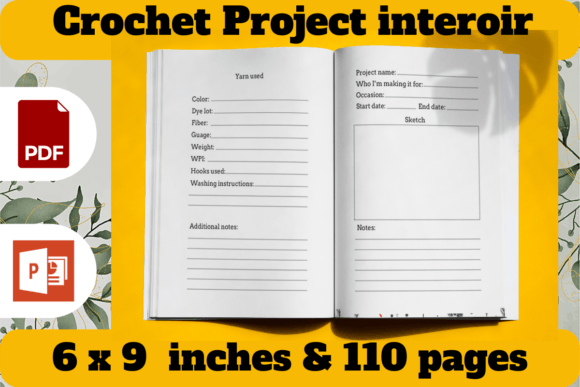
A Crochet Project book, in its ideal form, is a dedicated log for everything related to your yarn work. The 6x9 inch dimension is particularly popular because it strikes a perfect balance between portability and usable space. It's large enough to comfortably sketch diagrams, write out pattern modifications, or attach swatches, yet still small enough to fit in a project bag alongside your yarn and hooks. The 110-page count offers substantial room for multiple projects without being overwhelmingly bulky. This physical object becomes a central hub for your craft, but its utility is profoundly shaped by who you are and what you aim to achieve.
The Beginner's Roadmap and Confidence Builder
For someone new to crochet, the first projects can feel overwhelming. A Crochet Project book serves as a gentle guide and a confidence-building tool. Here, a beginner can move beyond just following a pattern. They can note the yarn brand and color they actually used, jot down where they got confused and how they solved it (“Round 3 was tricky, but I watched that video and figured it out!”), and track their hook sizes. This creates a personalized reference library. The 110 pages promise a long-term journey, encouraging the new crafter to see themselves progressing through many projects, which is incredibly motivating. The priority here is learning value and clarity. A clean, well-organized page helps demystify the process.
The Experienced Crafter’s Creative Laboratory
An advanced crocheter views the same Crochet Project book as a creative laboratory. It’s no longer just a log; it’s a design workspace. The 6x9 inch page becomes a canvas for sketching original stitch combinations, diagramming complex garment constructions, or calculating yarn requirements for a custom-sized blanket. The 110 pages allow for deep dives into single, large projects or compartmentalized sections for various ongoing ideas. For this user, flexibility and quality of the space are key. They need room to think visually and textually, and the book’s durability ensures these valuable ideas are preserved for future reference and iteration.
A Professional or Educator’s Tool for Structure and Presentation
Crochet professionals, such as designers teaching workshops or educators integrating craft into curriculum, evaluate the Crochet Project book through a different lens: presentation and commercial value. For a designer, a beautifully maintained project book can be a source material for writing official patterns or a portfolio to show clients. The consistent 6x9 format looks professional if shown digitally or in person. For an educator, such a book provides a structured framework for students. They can assign sections for project planning, stitch practice notes, and final reflections. The included profitable keywords sheet mentioned in the product description is irrelevant for a classroom teacher but becomes gold for the designer looking to publish patterns online, highlighting how the same product supports different professional goals.
The Entrepreneur and Small Business Owner’s Asset
When your crochet work is also your business, every tool must serve an operational purpose. A Crochet Project book transforms into a business asset. It can log material costs per item, track time spent on a commission for accurate pricing, and document customer requests and specifications. The 110 pages equate to a ledger for numerous client projects. Here, priorities like speed in logging information and long-term usefulness for tax records or inventory management come to the forefront. The fact that a digital PDF file is ready for upload to platforms like KDP means an entrepreneur can also use this as a template to create and sell their own branded project books, turning the tool itself into a new product line.
The Consumer and Gift-Giver’s Perspective
Not everyone buying a Crochet Project book is the primary user. A thoughtful consumer might purchase it as a gift for a crocheting friend or family member. They appreciate the practicality and thoughtful design. The 6x9 size feels substantial and valuable, not cheap or flimsy. Knowing it has 110 pages suggests it’s a gift that will last, showing the giver considered the recipient’s long-term hobby. The inclusion of an editable PowerPoint file might be irrelevant to them, but the overall quality impression is what matters. Their evaluation is based on perceived usefulness and the joy of giving a well-suited tool.
Aligning the Book with Your Personal Goals
How do you know if this specific Crochet Project format is right for you? Start by asking what you want from your craft. Is it purely personal enjoyment and skill growth? Then the ample pages and portable size will likely serve you perfectly. Are you aiming to design and sell patterns? Then the ready-to-use PDF and the keywords research sheet become critical features you should prioritize. If you’re a blogger or content creator, this book can be the physical source for your posts and videos, and its professional appearance matters for your audience. Consider your primary need: Is it organization, creativity, business, or education?
The beauty of a well-conceived Crochet Project book lies in its adaptability. The same 6x9 inch, 110-page foundation can be a learner’s diary, an artist’s sketchpad, a teacher’s framework, or a business ledger. It respects the individual journey within the shared love of crochet. By understanding these different perspectives, you can better select and utilize such a tool, ensuring it becomes a true companion in your unique creative process, whether you’re making a first simple scarf or launching a full-fledged craft brand.