The Ultimate Guide to Cleaning Schedule Checklists
A Cleaning Schedule Checklist is a structured plan that breaks down household or task-based cleaning into manageable, organized steps. It combines the forward planning of a cleaning schedule—which assigns tasks to specific days or times—with the actionable detail of a schedule checklist, providing a concrete list of items to complete. This fusion creates a powerful tool for maintaining order and reducing the mental load associated with cleaning.
Why Consider a Cleaning Schedule Checklist?
Individuals often seek out a cleaning schedule checklist when they feel overwhelmed by domestic responsibilities or struggle with consistency. It appeals to those who value structure but find traditional to-do lists insufficient for recurring tasks. Parents managing busy households, individuals working from home who need to compartmentalize chores, or anyone aiming to establish a new routine for better home upkeep might find this system transformative. The core interest stems from a desire to move from reactive, stressful cleaning to proactive, controlled maintenance.
Key Benefits and Practical Advantages
Implementing a dedicated cleaning schedule checklist offers several clear benefits. Primarily, it reduces decision fatigue. Knowing exactly what needs to be done on a given day eliminates the daily debate about which chore to tackle. It also promotes task delegation and shared responsibility in multi-person homes, as the schedule provides clear expectations. From a psychological perspective, the act of checking off completed items provides visual progress and a sense of accomplishment, which can boost motivation. Furthermore, a well-planned schedule ensures all areas of a home receive attention over time, preventing the neglect of less obvious tasks.
Trade-offs and Important Considerations
While the advantages are significant, adopting a cleaning schedule checklist requires some trade-offs. The most notable is the initial time investment needed to create a realistic and personalized plan. A generic schedule may not fit your specific living space or lifestyle, leading to frustration. There is also a risk of rigidity; an overly strict schedule can become a source of stress if life's unpredictability makes adherence impossible. It’s crucial to build in flexibility for unexpected events. Finally, for some, the formalization of cleaning can feel unnecessarily regimented, stripping away the simplicity of cleaning as needed.
Is a Cleaning Schedule Checklist a Strong Fit for You?
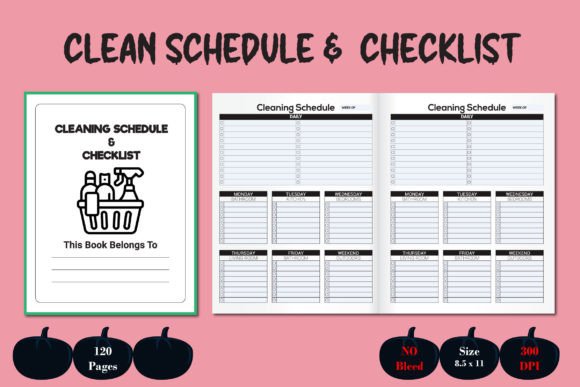
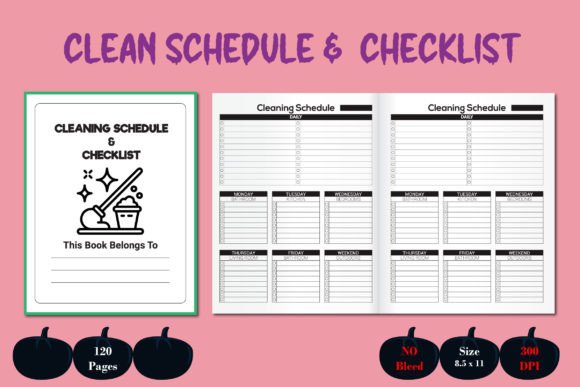
A cleaning schedule checklist is an exceptionally strong fit in specific scenarios. If you manage a large home with varied cleaning needs (e.g., multiple bathrooms, seasonal tasks), a schedule checklist helps distribute the workload logically. It is also ideal for individuals or families with highly variable weekly schedules, where penciling in chores ensures they aren't forgotten during busy periods. People who are building new habits, perhaps after a life change like moving or starting a family, will benefit from the structured guidance. Additionally, for those selling digital or physical planning tools, such as the described Clean Planner with its 120-page, print-ready design, a pre-formatted checklist offers a ready-made solution for this audience.
When to Explore Alternatives
Despite its utility, a formal cleaning schedule checklist may not be the optimal solution for everyone. In very small living spaces, like a single-room apartment, a simple daily or weekly reminder might suffice without the need for complex planning. Individuals with highly routine-driven lives who already clean on consistent days might find the checklist redundant. Others might prefer a more digital, app-based solution with reminder notifications rather than a physical planner book. If your primary challenge is deep cleaning or organization rather than maintenance, a project-based task list focused on a single area might be more effective. It’s worth evaluating whether your need is for macro-scheduling or micro-task management.
Practical Decision-Making Insights
To determine if a cleaning schedule checklist aligns with your goals, start by assessing your current pain points. Is cleaning a source of constant low-grade stress? Do tasks often pile up into an overwhelming marathon? If so, a structured plan likely holds value. Next, consider your commitment style. Do you enjoy and follow written plans, or do they often get abandoned? Trial a basic version for a month using a simple notebook. Notice if it reduces your mental load and increases your consistency. When evaluating a product like a pre-made Clean Planner, assess its design: the 8.5" x 11" dimension offers ample writing space, and a 120-page count suggests longevity. Ensure its layout—whether daily, weekly, or monthly—matches your preferred planning cadence.
Aligning the Tool with Your Needs
Ultimately, the effectiveness of a cleaning schedule checklist hinges on personalization. A successful plan mirrors your real life, not an idealized routine. Begin by listing all cleaning tasks, then categorize them by frequency and effort. Assign them to days in a way that balances your weekly energy levels—perhaps lighter tasks on busy workdays and deeper cleaning on quieter weekends. The checklist component should be specific enough to be unambiguous but not so granular that it becomes tedious. Whether you create your own system or utilize a designed planner, the objective remains the same: to transform cleaning from a sporadic burden into a manageable, integrated part of your life, freeing up time and mental space for other pursuits. By taking a balanced, evaluative approach, you can decide if this method is the key to achieving your desired level of order and calm.