Maze Games for Kids: A Strategic Tool for Learning and Development
In a world saturated with digital distractions, the enduring appeal of a printed maze is a quiet testament to its fundamental value. Maze games for kids are not merely simple pastimes. When viewed through a strategic lens, they represent a versatile, low-cost asset with significant applications in education, product development, marketing, and operational planning. Their core mechanics—navigation, decision-making, problem-solving within constraints—mirror essential real-world processes.
Beyond Entertainment: The Core Utility of Maze Games
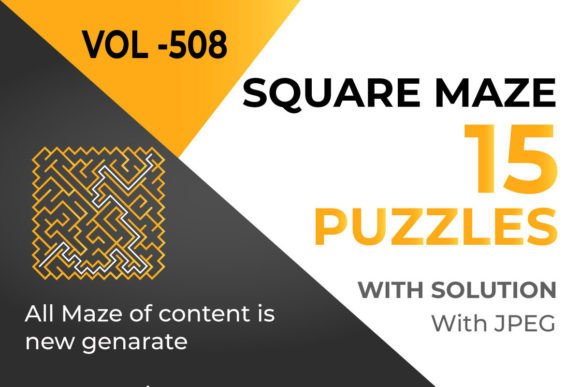
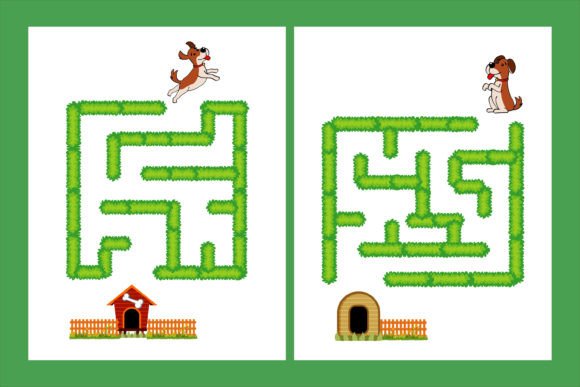
At its essence, a maze game is a structured pathfinding challenge. It presents a clear start point, a defined goal, and a series of obstacles or choices that block the most direct route. This format is a powerful metaphor for planning any project or learning journey. For the professional or creator, understanding this utility is key. Maze games for kids can serve as physical or digital templates for mapping customer onboarding sequences, visualizing workflow bottlenecks, or illustrating step-by-step learning modules in educational materials.
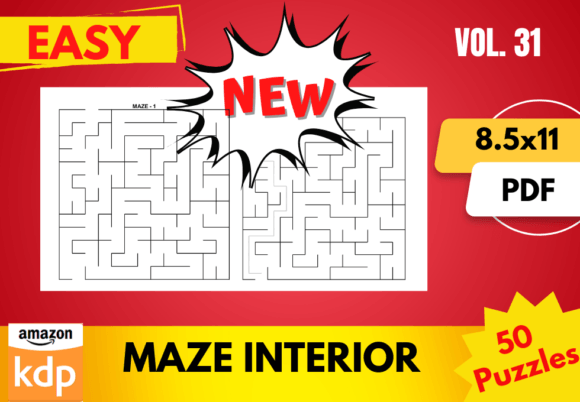
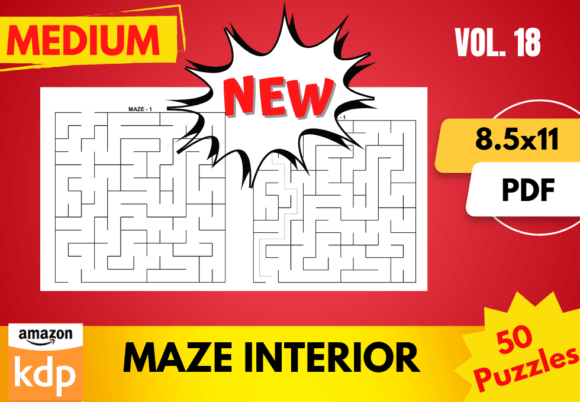
Their proportional scale, such as the standard 8.5 x 11″ format with no bleed, makes them immediately practical for integration into existing print or digital collateral. A JPG file offers easy digital sharing, an AI or EPS file allows for infinite customization and brand alignment, and the physical print is a tangible engagement tool. This flexibility is their first strategic advantage.
Strategic Applications and Intentional Use Cases
To leverage maze games for kids effectively, one must move beyond random inclusion and adopt an intentional approach. Their use should be driven by a clear objective, whether that's enhancing engagement, simplifying complex information, or testing a user's comprehension.
Educational Content and Cognitive Development
For educators, publishers, and creators of learning materials, mazes are a proven tool for developing executive function skills like planning and impulse control. Strategically, they can be used to:
- Reinforce lesson sequences: A maze's path can mirror the steps of a scientific process or historical timeline, requiring correct order to succeed.
- Assess understanding non-verbally: Instead of a quiz, a maze where correct choices lead toward the exit can gauge a child's grasp of a topic.
- Support branding: Custom mazes featuring brand characters or themes create a cohesive, memorable learning experience that extends brand reach into educational settings.
Marketing and Customer Engagement
For marketers and entrepreneurs, a maze can transform a passive brochure into an interactive experience. Consider a maze where the "path" represents the customer journey from discovery to purchase, with pitfalls representing common objections. This can be used in:
- Trade show handouts: A branded maze engages potential clients longer than a standard flyer, making your materials stand out.
- Digital lead magnets: A downloadable, solvable maze offered as a free resource can capture email addresses while providing fun, branded value.
- Internal communications: Visualizing a new operational procedure as a maze can help teams understand processes and identify potential "dead ends" more intuitively.
Planning and Execution: Considerations Before Deployment
Before incorporating a maze game into your project, a thoughtful planning phase is crucial. A maze created without clear goals becomes mere decoration, wasting resources and potentially confusing the user.
First, define the primary objective. Is it engagement, education, or illustration? Next, consider the audience's age and capability. A maze for young children needs wide paths and minimal choices, while one for older kids or used as a metaphorical tool for adults can be more complex. Then, plan the content integration. Will the obstacles in the maze represent specific learning challenges, customer service hurdles, or project milestones? This mapping is where the strategic value is unlocked.
Finally, decide on the format. The provided JPG, AI, and EPS files allow for scalability. Use the JPG for quick digital posts or embedded PDFs. Use the AI or EPS files to meticulously customize the design, color scheme, and graphical elements to align perfectly with your brand identity or the specific theme of your campaign. The no bleed requirement for the 8.5 x 11″ format ensures it works seamlessly with standard printing and framing.
Potential Risks and Mitigations
The risk lies in misuse. A maze that is too difficult frustrates the user and abandons the goal. One that is too simple fails to engage or teach. A maze irrelevant to the surrounding content creates cognitive dissonance. To mitigate these risks:
- Always pilot the maze with a sample of your target audience to test comprehension and enjoyment.
- Ensure the graphical design supports the goal—a cheerful, colorful maze for engagement; a clean, schematic maze for process illustration.
- Provide clear context. Never assume the user understands the metaphor; accompany the maze with a brief explanation of its purpose.
Long-Term Value and Sustainable Integration
Thinking long-term, maze games for kids can become a recurring element in a brand's toolkit or an educator's curriculum. Their repetitive use, if varied in content and challenge, builds anticipation and familiarity. For a business, a yearly "challenge maze" released during a campaign can become a tradition. For a teacher, different topic-based mazes can become a preferred method for weekly review.
The sustainable integration relies on treating the maze not as a one-off graphic, but as a structured communication medium. Archive your customized AI/EPS files. Document which maze designs yielded the best engagement or learning outcomes. Analyze how users interacted with them. This data turns a simple game into a refined strategic instrument over time.
The outcome of intentional use is a dual benefit: for the end-user (the child, customer, or team member), it's an engaging, rewarding experience that builds skills or clarifies concepts. For you—the entrepreneur, educator, or marketer—it's a measurable tool that drives deeper engagement, reinforces messaging, and supports overarching goals in a uniquely interactive way. It transforms passive information consumption into an active decision-making process, mirroring the very strategic thinking you employ in your own work.