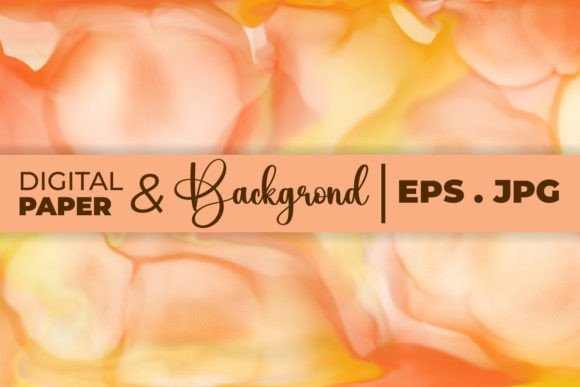
The Appeal of Luxury Acrylic Watercolor Backgrounds
Imagine a digital canvas adorned with the vibrant, flowing textures of acrylic paints and the soft, blended washes of watercolor. This is the essence of a Luxury Acrylic Watercolor Background. It’s a pre-designed artistic foundation that combines two beloved mediums into a single, versatile graphic asset. Unlike a simple solid color or a basic pattern, this background offers a complex, painterly aesthetic that can instantly elevate any project. Its primary purpose is to serve as a stunning visual layer—a starting point that adds depth, emotion, and professional polish without requiring you to be a master painter yourself.
These backgrounds are characterized by their rich color gradients, organic textures, and a sense of artistic sophistication. The “luxury” aspect often refers to the high-quality execution and the premium, adaptable nature of the files provided. They are not just static images; they are creative tools designed for flexibility.
Why This Background Solves Creative Problems
For many creators, time and skill are limiting factors. You might have a brilliant idea for a book cover or a social media campaign, but lack the hours to create a custom illustration from scratch. A professional acrylic watercolor background bridges that gap. It provides an immediate solution for those who need high-quality art but may not have advanced design software skills or the budget for a commissioned piece.
It supports a fundamental goal: making your work stand out. In a digital landscape saturated with generic templates, using a unique, artistic background can be the key to capturing attention. Whether you’re a blogger wanting more engaging post visuals, an entrepreneur branding a new product, or a hobbyist creating gifts, this asset helps you achieve a look that feels both personal and polished.
Practical Uses Across Projects and Platforms
The adaptability of a luxury acrylic watercolor background is its greatest strength. Let’s explore some concrete, beginner-friendly applications.
Digital and Print Publishing
The 300 DPI JPG file is ideal for print-ready projects. This high resolution ensures crisp, clear reproduction on physical items. You can seamlessly use it as a captivating book cover for your novel or non-fiction work, giving it an artistic, literary feel. Similarly, it can transform into a beautiful background for magazine layouts, report covers, or promotional brochures.
Web and Social Media Enhancement
For digital spaces, this background can become the visual anchor of your online presence. Use it as a full web background for your site’s header or hero section, creating an inviting first impression. Cropped sections work perfectly as backdrops for social media posts on Instagram, Facebook, or Pinterest, making your content visually cohesive and more likely to be shared.
Merchandise and Personal Items
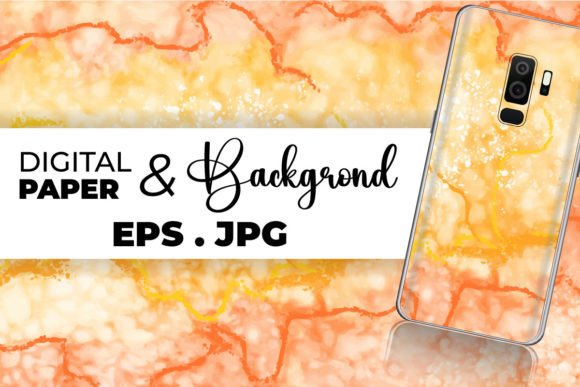
The design extends into the world of merchandise and personalization. With the right printing service, you can apply it to create unique stickers, mobile covers, or even T-shirt designs. Educators can use it to create visually appealing classroom materials or certificate templates. Freelancers can incorporate it into their portfolio websites or client presentation decks.
The Key Feature: Dual File Format Flexibility
Understanding the included file formats is crucial to unlocking the background’s full potential. The download typically includes a ZIP file with two primary components.
- A high-quality JPEG file. This is your ready-to-use image. You can drag and drop it directly into user-friendly applications like Canva, MS Word, or MS PowerPoint. It’s perfect for quick implementations where you need a beautiful background without any editing.
- A Vector EPS CC file. This is the powerhouse file for customization. If you have access to Adobe Illustrator, you can open this EPS file and edit the design itself. You can change colors, resize elements without losing quality, or isolate specific parts of the watercolor texture. This is invaluable for professionals who need to tailor the background to match an exact brand color palette or integrate it into a more complex composite design.
This dual-format approach caters to both casual users and advanced designers, making it a valuable asset for a wide audience.
Important Considerations Before You Use It
While these backgrounds are designed for ease, a few practical observations can ensure you get the best results. First, consider the final output. If you’re creating a large-format print (like a poster), ensure you are using the high-resolution JPG at its original size to maintain quality. For web use, you might need to compress the file slightly for faster loading—but always start from the high-quality source.
Second, think about color compatibility. The beautiful, blended hues of the acrylic watercolor might need to work alongside your existing text or logo colors. Preview your complete design (text over the background) to ensure readability and visual harmony. Using the vector file to adjust colors can solve this if you have the software.
Finally, remember licensing. Most downloadable backgrounds like this are offered for personal and commercial use, but it’s always prudent to check the specific terms provided by the designer. This ensures you can confidently use it on your products or client work.
A Foundation for Creative Expression
A Luxury Acrylic Watercolor Background is more than just a picture; it’s a strategic creative resource. It empowers you to infuse your projects with an artist’s touch, saving time while elevating quality. From the casual user crafting a birthday card in Canva to the professional designer building a brand identity in Illustrator, this versatile asset supports a spectrum of creative endeavors.
By starting with such a rich visual base, you free up energy to focus on your message, your content, and your unique ideas. It’s a step toward making your work not only functional but also beautifully memorable. After downloading, exploring the designer’s profile for more background designs, KDP interiors, and other resources can become a valuable part of building your own library of professional creative tools.